2 Jun 2026
Unraveling Demographic Patterns Behind Tailored Incentive Structures in Interactive Digital Gaming Environments
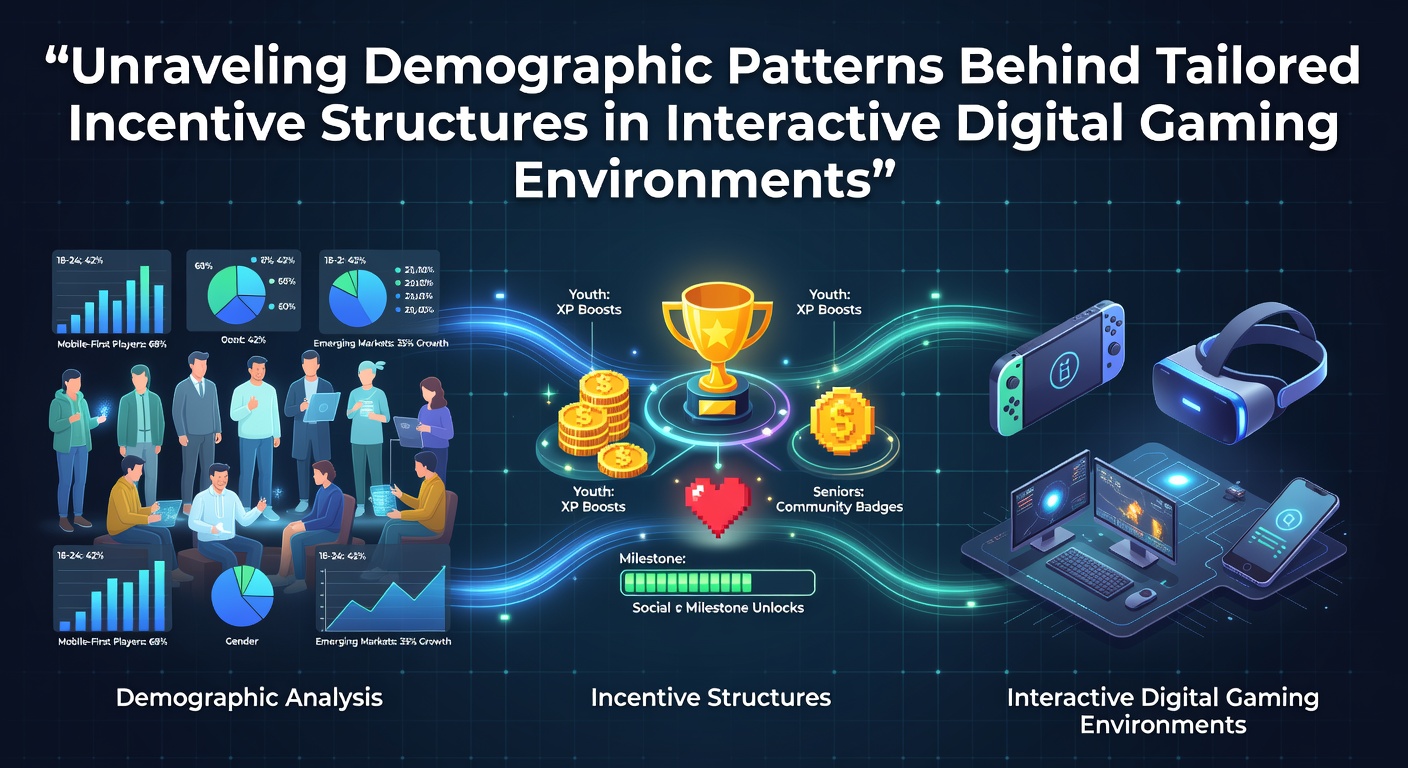
Interactive digital gaming environments rely on sophisticated data analysis to shape incentive structures that align with player demographics, and researchers continue to map these connections through large-scale studies released in mid-2026. Gaming companies collect information on age, geographic location, play frequency, and device preferences, then adjust reward systems such as battle passes, loot distributions, and progression multipliers accordingly. Studies released around June 2026 highlight how these tailored approaches produce measurable differences in engagement rates across population segments, with data indicating that younger cohorts respond more readily to time-limited events while older groups show steadier interaction with long-form progression rewards.
Age-Based Variations in Reward Design
Demographic research demonstrates clear splits in how age groups interact with in-game incentives, and analysts note that players aged 18 to 24 often receive frequent micro-rewards tied to daily logins whereas those over 35 encounter structures emphasizing milestone achievements and collection mechanics. Reports from industry monitoring organizations show participation spikes among teens when incentives incorporate social sharing features, while adult players demonstrate higher retention when systems offer customization options that persist across multiple sessions. These patterns emerge from aggregated telemetry that tracks completion rates, and the evidence points to deliberate calibration rather than random distribution of rewards.
Geographic and Cultural Influences on Incentive Delivery
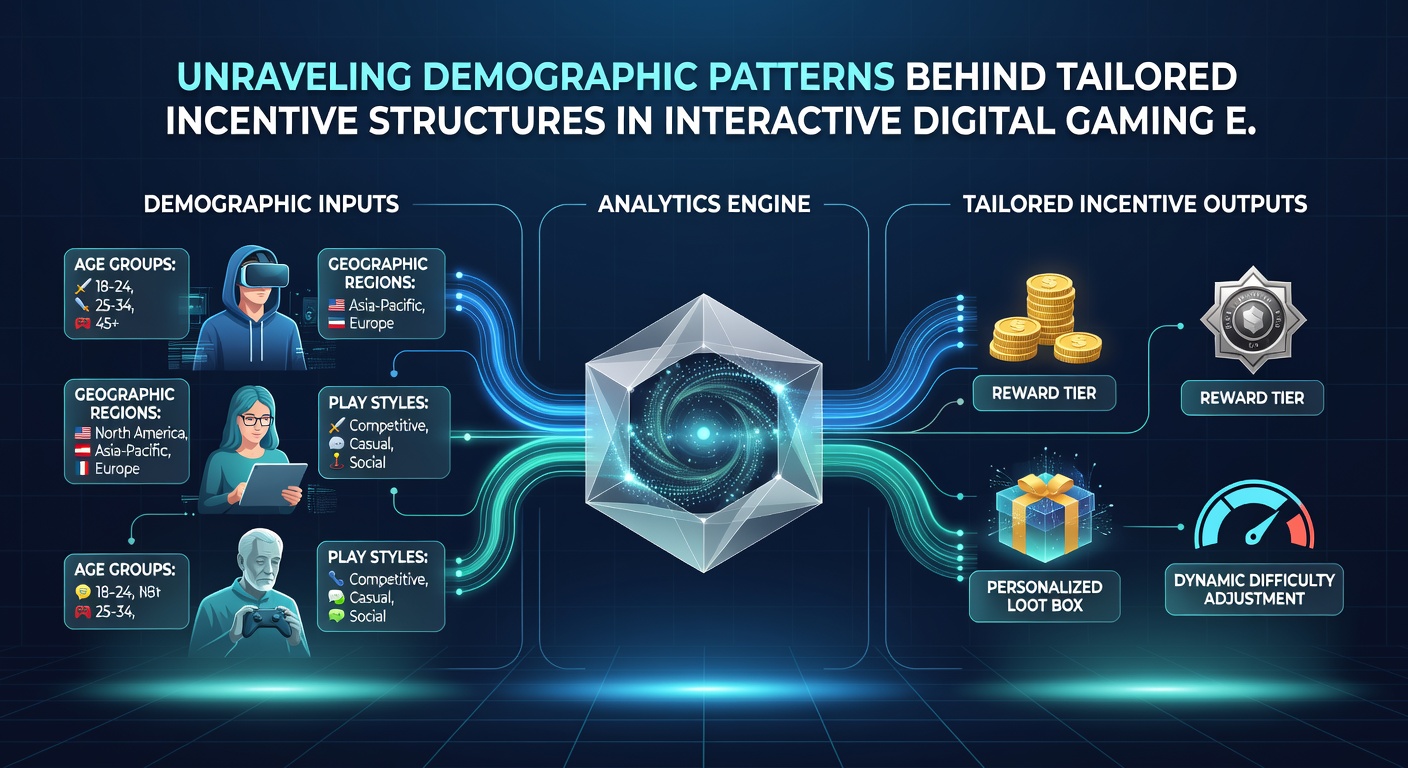
Regional differences appear consistently in global datasets, with North American servers prioritizing competitive ranking rewards and European platforms leaning toward narrative-driven item unlocks. Data compiled by research firms reveals that Asian markets see heavier emphasis on collaborative events that scale with group participation, whereas Latin American regions record stronger responses to currency-based bonuses that convert across multiple titles. Such variations reflect local spending behaviors and connectivity patterns documented in player surveys conducted through 2025 and into 2026, allowing developers to refine structures without uniform global application.
Gender and Playstyle Correlations
Analyses of player behavior indicate that gender distributions correlate with preferences for certain incentive types, although overlap remains substantial across categories. Female-identifying players show elevated engagement with aesthetic customization rewards according to several university-led studies, while male-identifying cohorts display higher interaction with performance-based leaderboards and rare item drops. These findings derive from anonymized datasets that segment responses by self-reported demographics, and they inform the layering of optional paths within the same game environment so that multiple incentive tracks coexist without forcing singular progression routes.
Device and Session Length Patterns
Mobile versus console distinctions further refine incentive deployment, and telemetry from June 2026 updates shows mobile users receiving shorter, frequent reward cycles suited to fragmented play sessions while console environments favor extended campaign-style bonuses. Researchers tracking average session durations across platforms report that tablet players often receive hybrid structures blending both approaches, reflecting the intermediate usage habits observed in cross-device studies. These adjustments rely on backend algorithms that process real-time data rather than static demographic buckets alone, allowing dynamic shifts when individual play patterns deviate from group norms.
Emerging Data Sources and 2026 Trends
Industry associations such as the Entertainment Software Association have published updated participation figures that underscore continued growth in cross-demographic engagement, while academic institutions contribute longitudinal research examining retention metrics tied to tailored systems. Figures released in early summer 2026 point to increased adoption of machine-learning models that predict optimal incentive timing based on combined demographic and behavioral signals. Observers note that these models reduce uniform reward distribution in favor of segmented delivery, producing efficiency gains documented in developer white papers and conference proceedings.
Conclusion
The mapping of demographic patterns to incentive structures continues to evolve as datasets expand and analytical tools improve, with 2026 marking another cycle of refinement across major platforms. Evidence from regulatory filings, academic papers, and aggregated industry metrics demonstrates that successful tailoring depends on accurate segmentation and iterative testing rather than broad assumptions. As environments scale, the interplay between player characteristics and reward mechanics remains a central focus for developers seeking sustained participation across diverse user bases.