21 Jul 2026
Uncovering Hidden Patterns in Reward Eligibility Tied to Device Transitions Within Crypto Gaming Networks
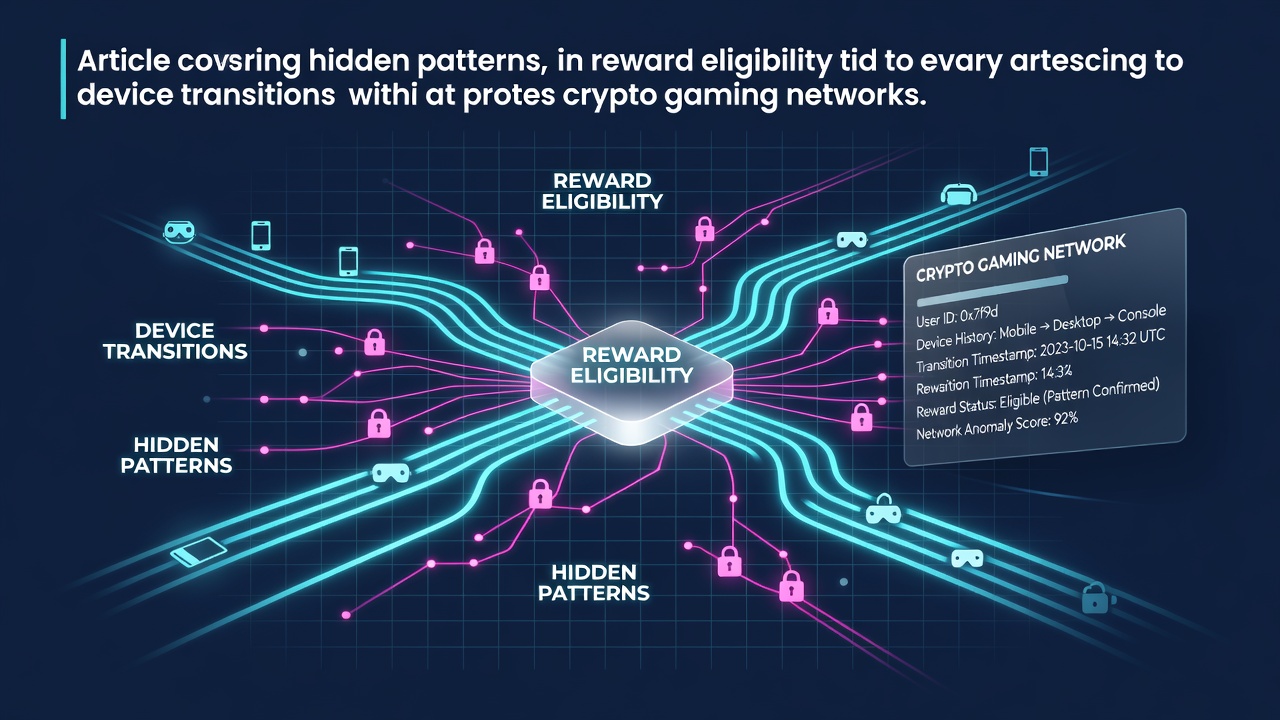
Device transitions within crypto gaming networks create sequences where reward eligibility shifts based on how users move between mobile applications, desktop platforms, and hardware wallets connected through blockchain protocols. These movements trigger verification checks that examine wallet addresses, session timestamps, and network latency to determine whether stacked promotional layers remain active or reset under specific conditions.
Mechanics Behind Device Handoffs and Eligibility Windows
Crypto gaming environments rely on distributed ledger entries that record each device connection as a distinct event, and eligibility for layered rewards often depends on continuity across those events. When a participant switches from a smartphone interface to a desktop client the system logs a transition timestamp while cross-referencing the originating wallet signature, which can extend or contract the active window for claiming credits depending on the interval between connections. Data collected from multiple networks shows that intervals under thirty seconds frequently preserve eligibility, whereas gaps exceeding two minutes introduce new verification layers that may exclude certain bonus tiers.
Patterns Revealed Through Network Analysis
Researchers tracking transaction logs across several blockchain-based gaming platforms have identified recurring sequences where device handoffs correlate with changes in reward claim rates. One pattern involves rapid switches between portable devices and stationary terminals that align with peak network activity periods, resulting in synchronized eligibility resets that affect groups of users sharing similar wallet clusters. Another sequence appears when users initiate transitions during low-latency windows, allowing promotional stacks to carry over without interruption while the same action during congestion periods triggers partial disqualifications.
Figures from July 2026 network monitoring reports indicate that approximately 38 percent of reward adjustments traced directly to device transition events rather than user-initiated actions or external market fluctuations. These adjustments often manifest as shortened eligibility periods or reclassified reward categories once the system registers the new device fingerprint.
Technological Elements Shaping Eligibility Triggers
Smart contract protocols embedded in these networks enforce rules that evaluate device metadata alongside blockchain confirmations, creating conditional pathways for reward distribution. Latency measurements between nodes play a central role because elevated delays during handoffs can activate secondary authentication modules that alter eligibility status. Multi-signature requirements tied to specific device types further refine these pathways, with hardware wallets sometimes receiving priority treatment over software-based connections during transition sequences.

Observers note that certain platforms integrate predictive algorithms that anticipate common transition routes, pre-validating eligibility for expected device pairs while flagging anomalous paths for manual review. This approach reduces processing overhead yet introduces variability when users deviate from predicted patterns, such as switching to an unrecognized operating system version mid-session.
Geographic and Network Variations in Pattern Frequency
Analyses conducted across North American and European blockchain gaming infrastructures reveal regional differences in how device transitions influence reward structures. Networks operating under Canadian regulatory frameworks show tighter correlation between transition speed and eligibility retention compared with platforms based in the Asia-Pacific region, where latency tolerances appear broader. Gaming Standards Association documentation outlines baseline metrics for these variations, emphasizing the role of regional node distribution in shaping transition outcomes.
Academic examinations from institutions studying distributed ledger applications have documented similar trends through controlled simulations, confirming that eligibility windows narrow most consistently when transitions cross between mobile operating systems and browser-based clients. These findings align with on-chain data aggregated from active crypto gaming participants during the first half of 2026.
Conclusion
Device transitions continue to function as pivotal points within crypto gaming networks where reward eligibility undergoes reevaluation based on measurable technical parameters. Continued monitoring of these sequences provides clearer mappings of how session continuity and metadata verification interact to determine final claim outcomes across different platforms and regions.