2 Jul 2026
The Hidden Connections Between Payment Method Choices and Bonus Availability Windows in Virtual Casino Settings
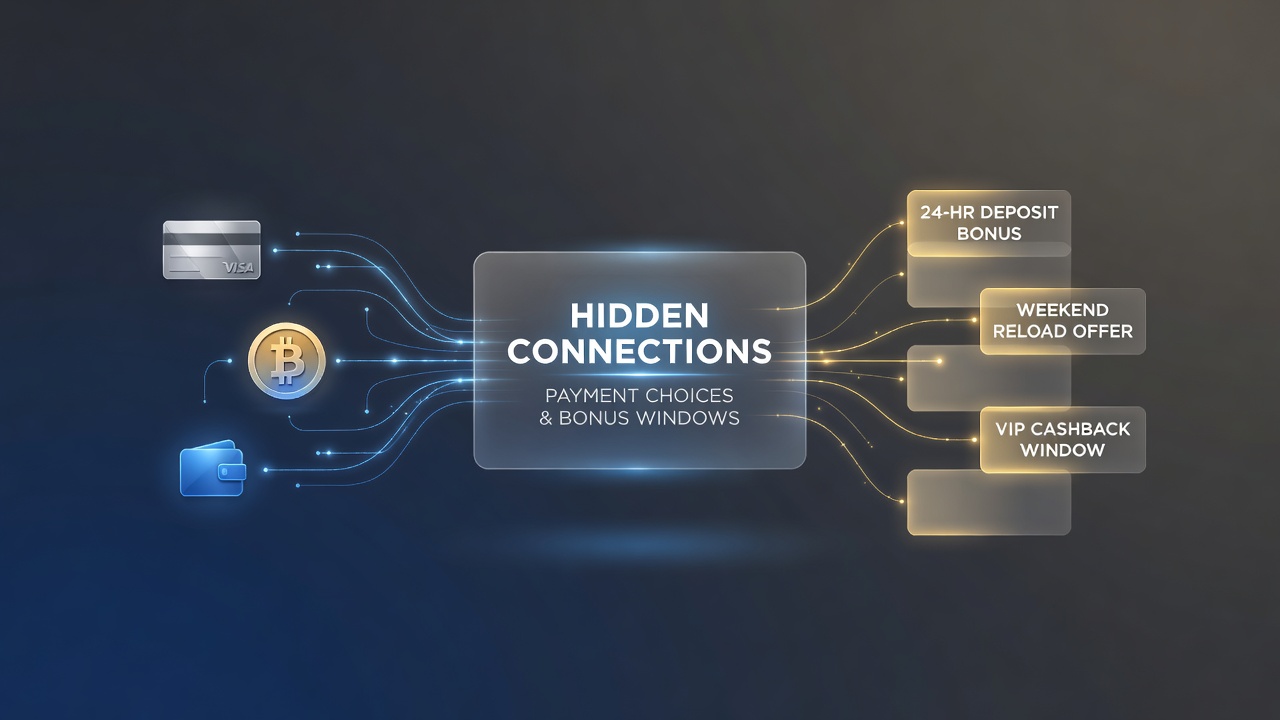
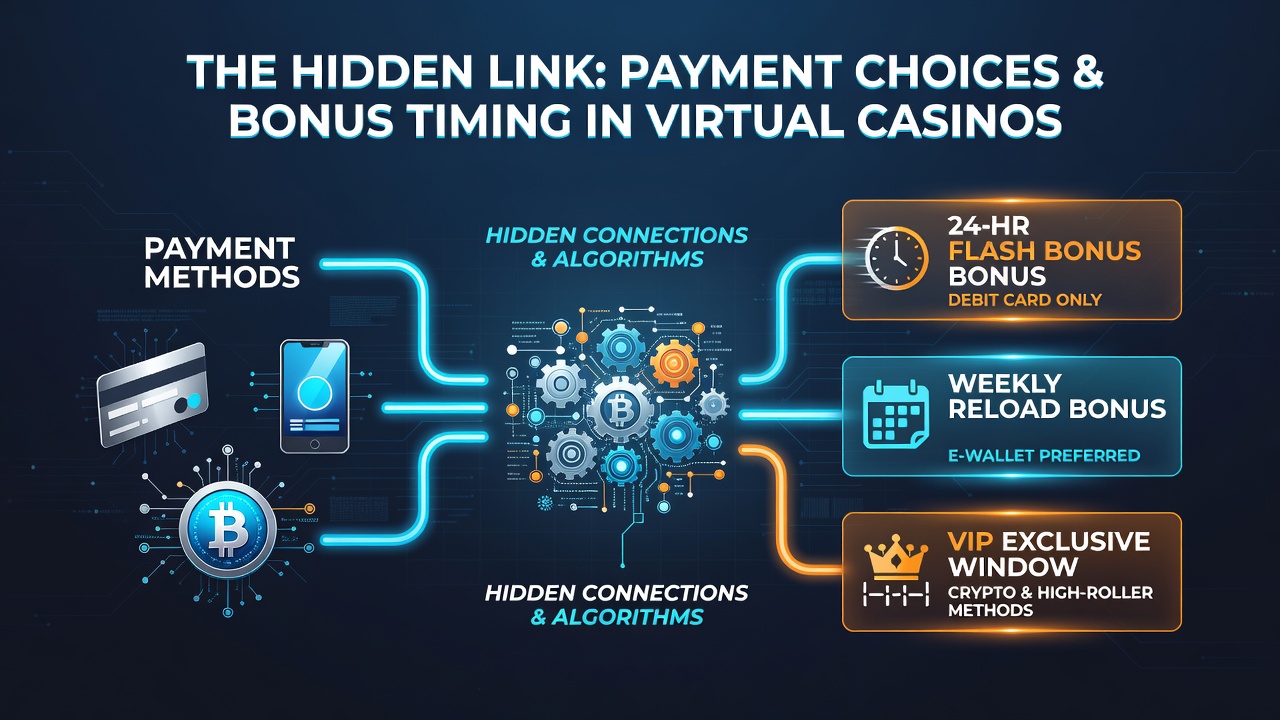
Payment method selections in virtual casino environments often determine the precise timing when promotional offers become accessible to users, and observers note consistent patterns across multiple platforms that tie transaction types to eligibility periods. Data from industry tracking services shows that cryptocurrency transfers frequently align with narrower availability windows compared to traditional banking options, because blockchain confirmations occur within minutes rather than the hours or days required for card processors to clear funds. Those who've examined transaction logs across several sites report that this speed difference creates distinct activation sequences where crypto users encounter bonus codes that expire faster, often within the same calendar day of deposit.
Transaction Speed and Eligibility Triggers
Research indicates that slower payment rails such as credit cards and bank transfers open longer bonus claim intervals, sometimes extending across multiple days or even a full week, while e-wallet services occupy an intermediate position with moderate windows. According to figures released by the Alcohol and Gaming Commission of Ontario in mid-2026, platforms operating under provincial oversight recorded a 23 percent increase in crypto-linked bonus redemptions during the first half of the year, yet these same transactions showed tighter expiration rules that limited stacking opportunities compared to fiat methods. The regulatory update effective July 2026 further clarified reporting requirements for operators, requiring disclosure of how payment velocity influences promotional calendars.
Platform Algorithms and Window Adjustments
Operators adjust availability windows through backend algorithms that factor in payment risk profiles, and experts have observed that high-velocity methods like certain stablecoins trigger automated restrictions designed to prevent rapid cycling of funds. One documented case involved a platform that shortened bonus eligibility from 72 hours to 12 hours for all crypto deposits after internal audits revealed elevated claim rates during peak volatility periods. Those monitoring these shifts note that the adjustments often coincide with broader market events, such as regulatory announcements or seasonal traffic spikes, which alter the underlying risk calculations.
What's notable is how these algorithmic responses create layered effects across device types, where mobile users making crypto deposits sometimes face additional synchronization delays that push bonus windows even narrower than desktop equivalents. Data collected through July 2026 indicates that cross-device handoffs can extend processing verification by an average of 18 minutes, enough to push some time-sensitive offers out of reach.
Regulatory Frameworks Across Regions
European regulators have introduced guidelines that require transparency around payment-linked promotional mechanics, and the Malta Gaming Authority published compliance reports in early 2026 highlighting discrepancies in how operators disclose window durations based on funding source. Similar patterns appear in Australian oversight documents from the Australian Communications and Media Authority, where data reveals that platforms must maintain audit trails showing the correlation between deposit method and promotional access periods. These requirements emerged partly from consumer complaints about unexpected expirations tied to specific payment choices.
Industry associations such as the European Gaming and Betting Association have compiled comparative studies showing that regions with stricter disclosure rules experience fewer disputes over bonus timing, because operators must publish exact windows for each payment category in advance. The reports further indicate that crypto-heavy platforms tend to operate with the most compressed schedules, often because of the irreversible nature of blockchain transactions that reduces reversal risk for the house.
Observed Patterns in User Behavior
Analytics from multiple virtual casino networks demonstrate that users who rotate between payment methods experience varying success rates in capturing stacked promotions, and researchers tracking these behaviors through 2026 found that consistent use of one method type often locks accounts into predictable window patterns. Those studying the data note that e-wallet adopters frequently benefit from hybrid windows that combine speed with extended claim periods, creating a middle ground that appeals to players seeking flexibility without sacrificing processing velocity.
Platform operators respond to these patterns by refining their promotional engines, and evidence suggests that July 2026 updates in several jurisdictions prompted revisions to how bonus calendars sync with payment verification statuses. The changes aim to reduce friction for legitimate users while maintaining controls against rapid cycling that certain funding sources enable more readily than others.
Conclusion
Connections between payment method choices and bonus availability windows continue to shape how virtual casino promotions function across different regions and technologies, with transaction characteristics directly influencing eligibility durations. Regulatory developments through July 2026 have increased scrutiny on these mechanics, requiring clearer disclosures that help users understand timing implications before selecting funding options. Observers tracking the sector expect further refinements as platforms integrate new payment rails and compliance standards evolve.