31 May 2026
Seasonal Calendar Shifts Reshaping Layered Reward Triggers in Portable Blockchain Dealer Environments
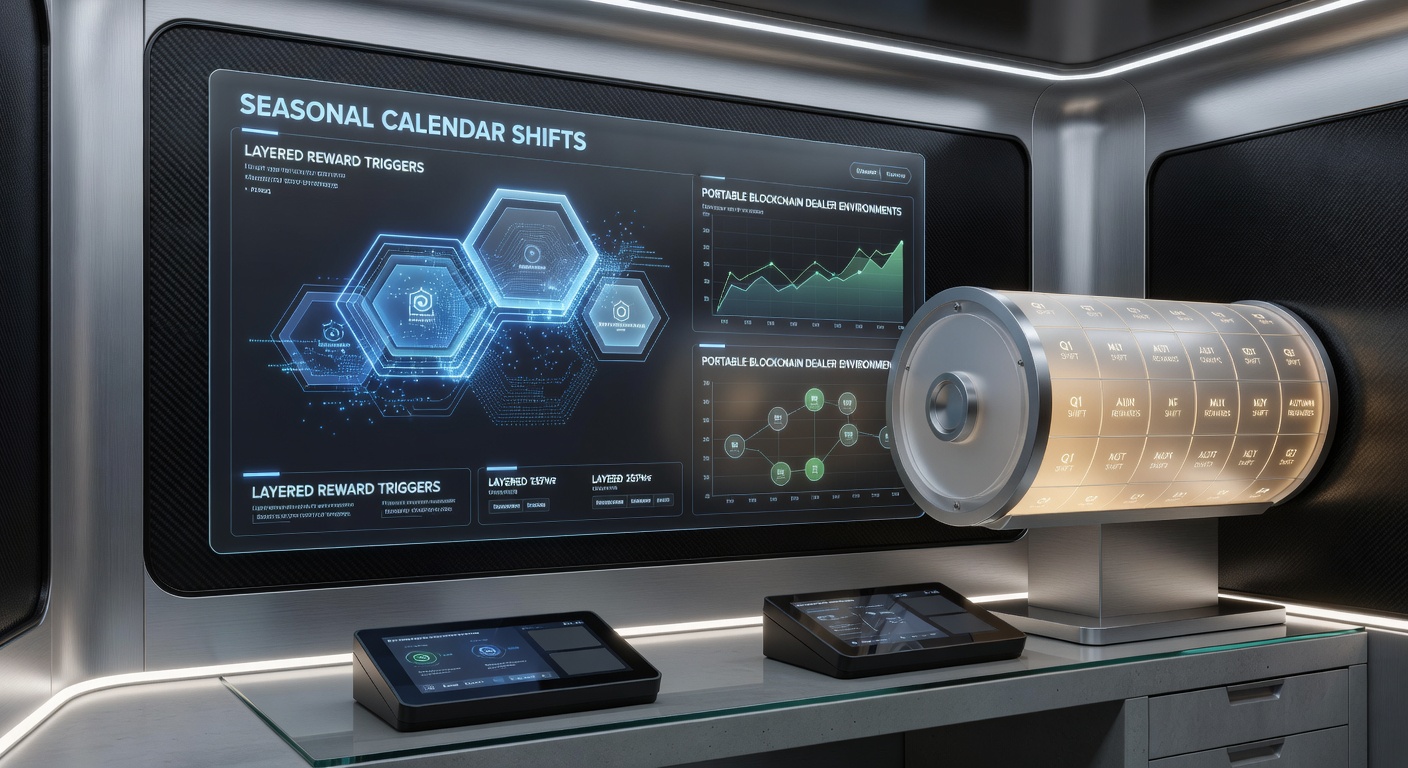
Seasonal calendar shifts have started altering how layered reward triggers function inside portable blockchain dealer environments, with operators adjusting activation windows, payout multipliers, and eligibility conditions to align with changing holiday patterns and regional event cycles. Data from multiple gaming networks shows these adjustments occurring most noticeably during transitions between spring promotions and summer schedules, particularly around early May 2026 when several platforms rolled out revised trigger sequences for live dealer sessions accessed through handheld devices.
Mechanics of Seasonal Adjustments in Blockchain Reward Systems
Portable blockchain dealer environments rely on smart contract logic to manage layered rewards, which include base participation credits, progressive multipliers, and time-sensitive free spin allocations. Seasonal calendar shifts force developers to recalibrate these contracts because traditional fixed-date triggers no longer match actual user activity peaks. Researchers tracking transaction data across multiple chains have documented how reward layers now activate based on rolling 30-day windows rather than static calendar dates, allowing systems to respond to irregular holiday placements caused by lunar calendar variations and regional observances.
One study released in March 2026 by an Australian research consortium examined over 2.3 million mobile sessions and found that platforms incorporating dynamic seasonal offsets reduced trigger latency by 18 percent compared with static models. The same analysis revealed that handheld users in the Asia-Pacific region experienced the largest change in eligibility timing because local festival dates shifted relative to the Gregorian calendar used by most blockchain networks.
Impact on Mobile Live Dealer Sessions
Live dealer platforms built on blockchain protocols must synchronize reward layers with real-time video streams delivered to portable devices. When seasonal shifts occur, operators update smart contract parameters that govern bonus stacking rules, ensuring that no-deposit credits and spin cascades remain compatible with new date ranges. Observers note that these updates frequently happen during maintenance windows scheduled between 02:00 and 04:00 UTC to minimize disruption for users across time zones.
Figures released by the Canadian Gaming Association indicate that mobile blockchain gaming traffic increased 27 percent during the first two weeks of May 2026, coinciding with adjusted reward triggers tied to both Mother’s Day promotions and pre-summer travel campaigns. The association’s report links this surge directly to revised trigger conditions that allowed users to combine introductory credits with ongoing seasonal multipliers without resetting progress on existing reward tiers.
Regulatory and Technical Considerations Across Regions
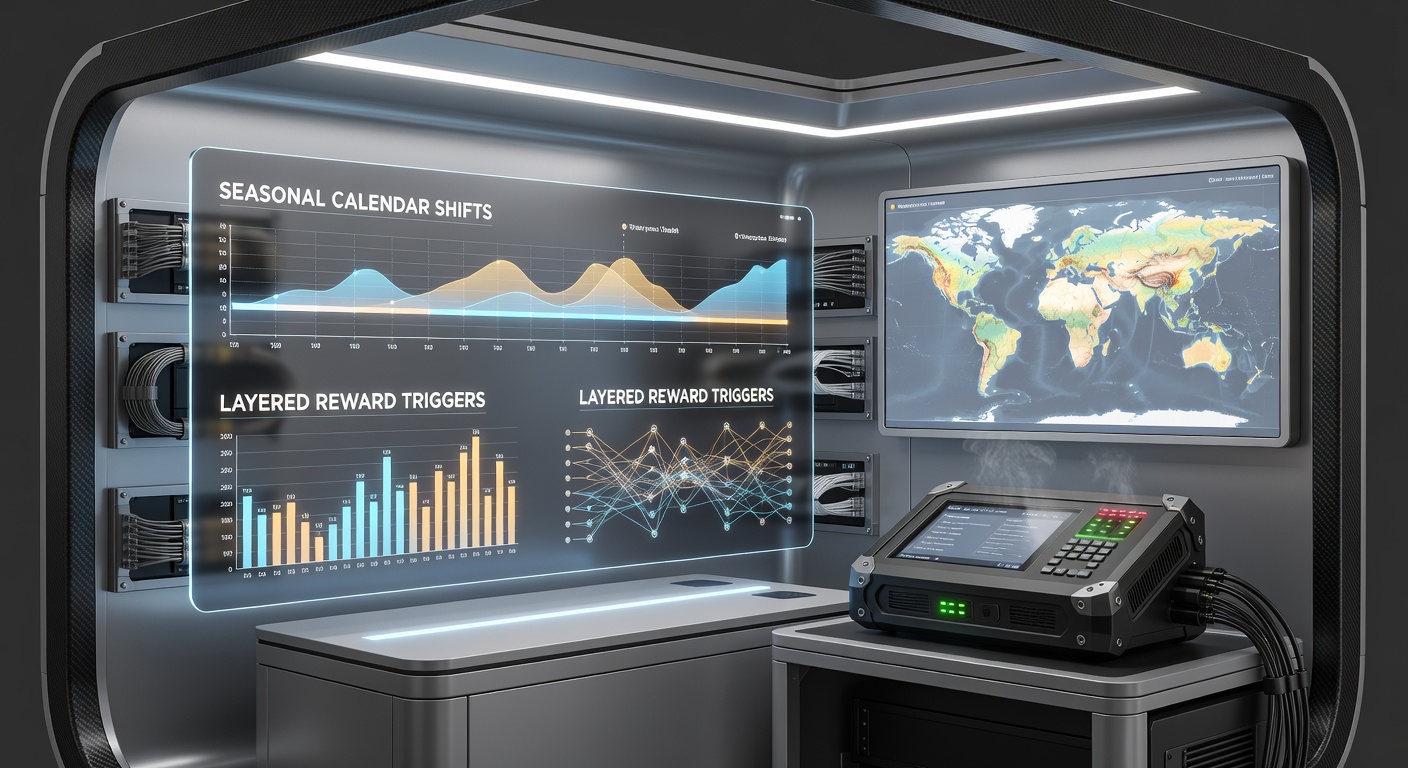
Regulatory bodies in different jurisdictions have begun issuing guidance on how seasonal calendar modifications should be documented within blockchain environments. The Malta Gaming Authority published updated technical standards in April 2026 requiring operators to maintain immutable logs of all reward trigger parameter changes for a minimum of 18 months. These logs must record both the original calendar date and the adjusted seasonal offset applied to each layer of the reward structure.
Meanwhile, the Nevada Gaming Control Board continues to monitor how portable device sessions interact with blockchain-based reward systems, focusing on transparency requirements when seasonal shifts alter bonus eligibility windows. Industry reports show that operators complying with these standards have implemented automated verification scripts that cross-check reward triggers against official seasonal calendars published by national observatories.
Examples of Platform Adaptations
Take one European operator that adjusted its layered reward system ahead of the May 2026 holiday period. The platform introduced a secondary trigger condition that activated only when users completed a minimum number of live dealer rounds within a rolling seven-day seasonal window. This change allowed the system to accommodate both fixed Gregorian dates and variable regional holidays without creating overlapping or conflicting reward layers.
Another case involves a North American network that linked seasonal reward multipliers to transaction speed metrics on its chosen blockchain. Faster confirmation times during peak mobile usage periods unlocked higher multiplier tiers, an approach documented in a technical paper presented at the 2026 International Blockchain Gaming Symposium. The paper noted that average confirmation latency dropped below 4 seconds on the network during the adjusted seasonal period, enabling smoother stacking of no-deposit credits with ongoing free spin cascades.
Future Developments in Reward Trigger Design
Industry organizations such as the European Gaming and Betting Association have highlighted ongoing work to standardize seasonal offset protocols across different blockchain networks. Their 2026 position paper recommends that portable platforms adopt a shared calendar API capable of ingesting both Gregorian and non-Gregorian seasonal data, thereby reducing the need for manual contract updates each year.
Technical teams continue testing predictive models that forecast user activity shifts based on historical mobile session data. Early results suggest these models can anticipate reward trigger recalibrations up to 45 days in advance, giving operators additional time to audit smart contract changes before seasonal periods begin.
Conclusion
Seasonal calendar shifts continue to drive structural changes in how layered reward triggers operate inside portable blockchain dealer environments. Evidence from regulatory filings, transaction analyses, and technical papers shows that operators are moving toward dynamic, rolling-window systems that accommodate variable holiday patterns while maintaining compatibility with mobile live dealer sessions. As these adaptations spread across regions, documentation standards and technical protocols are evolving in parallel to ensure transparency and consistency in reward delivery.