19 May 2026
Payment Innovations Driving New Reward Opportunities in Portable Live Dealer Platforms
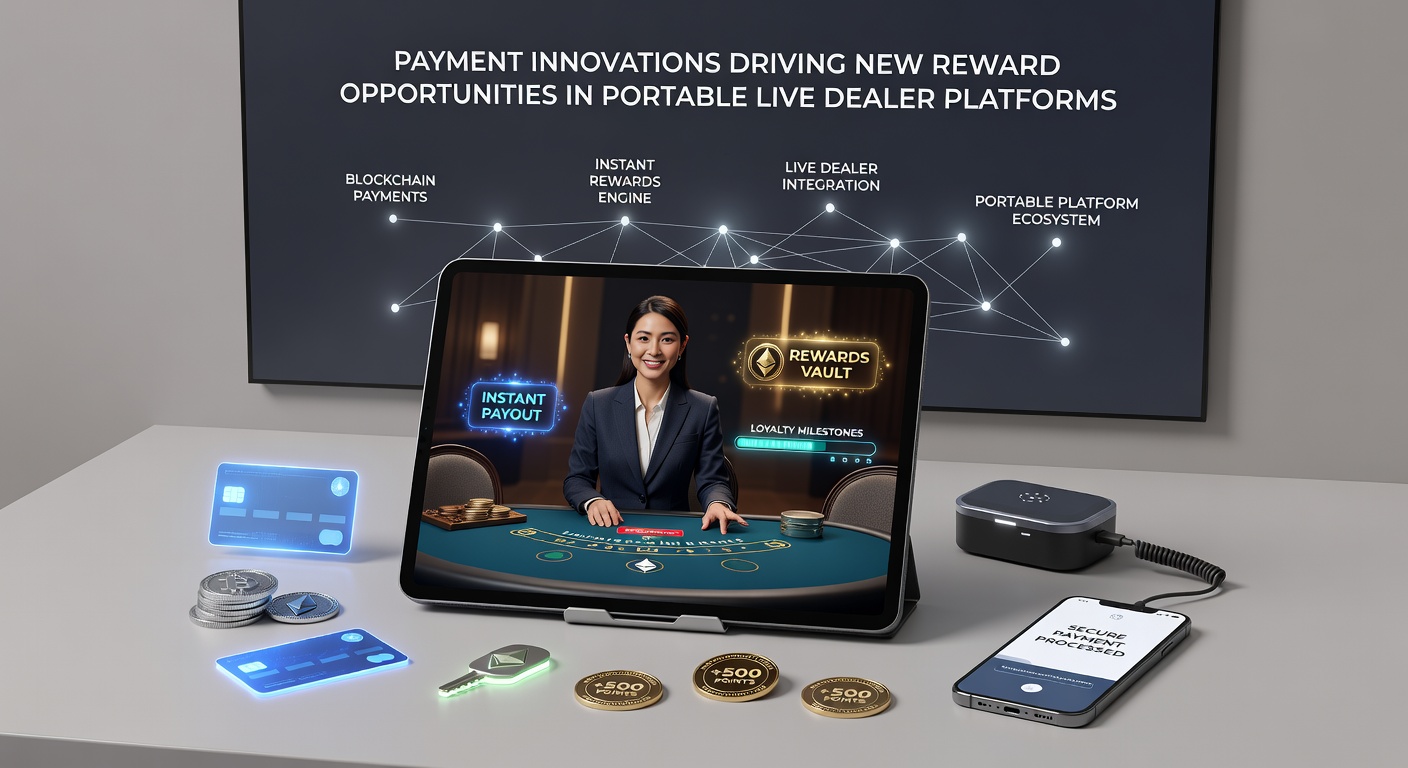
 Payment systems have evolved rapidly in portable live dealer environments, where real-time transaction processing now supports immediate reward distribution across mobile networks. Observers note that these changes stem from advances in digital wallets, blockchain verification, and contactless settlement methods that reduce latency between deposits and game participation. Data from industry reports indicate that transaction speeds have improved by factors of ten in many platforms since 2023, allowing operators to tie loyalty metrics directly to payment events.
Instant Settlement Technologies Reshaping Mobile Access
Portable live dealer platforms rely on low-latency payment rails to maintain seamless play sessions. These systems process funds through secure tokenization layers that verify identity without interrupting video streams or dealer interactions. Research indicates that integration of near-field communication and QR-based transfers has expanded reach into regions with variable network coverage, where users complete deposits in under three seconds on average. Such speed creates opportunities for dynamic reward structures that activate upon each confirmed transfer. Platforms record player activity at the point of payment, then allocate points or credits through automated protocols that sync with backend loyalty databases. According to figures released by the European Gaming and Betting Association, markets adopting these instant methods saw a 28 percent rise in session frequency during the first quarter of 2026.Blockchain and Digital Currency Integration
Distributed ledger systems now underpin many portable live dealer reward mechanisms. Transactions recorded on permissioned chains provide immutable audit trails that operators use to validate player eligibility for tiered benefits. This approach eliminates delays associated with traditional banking intermediaries while supporting cross-border transfers that comply with varying jurisdictional requirements. As of May 2026, several platforms have incorporated stablecoin settlements that lock reward multipliers to transaction volume within defined time windows. Those who have studied transaction logs report that average reward redemption rates increase when users employ these currencies, because settlement finality occurs in seconds rather than hours. Industry analysts highlight examples where platforms in regulated North American markets linked blockchain receipts directly to progressive reward ladders, resulting in measurable upticks in repeat engagement metrics.