21 Jun 2026
Mapping Interface Navigation Patterns That Unlock Conditional Layers of Promotional Credits in Digital Table Game Ecosystems
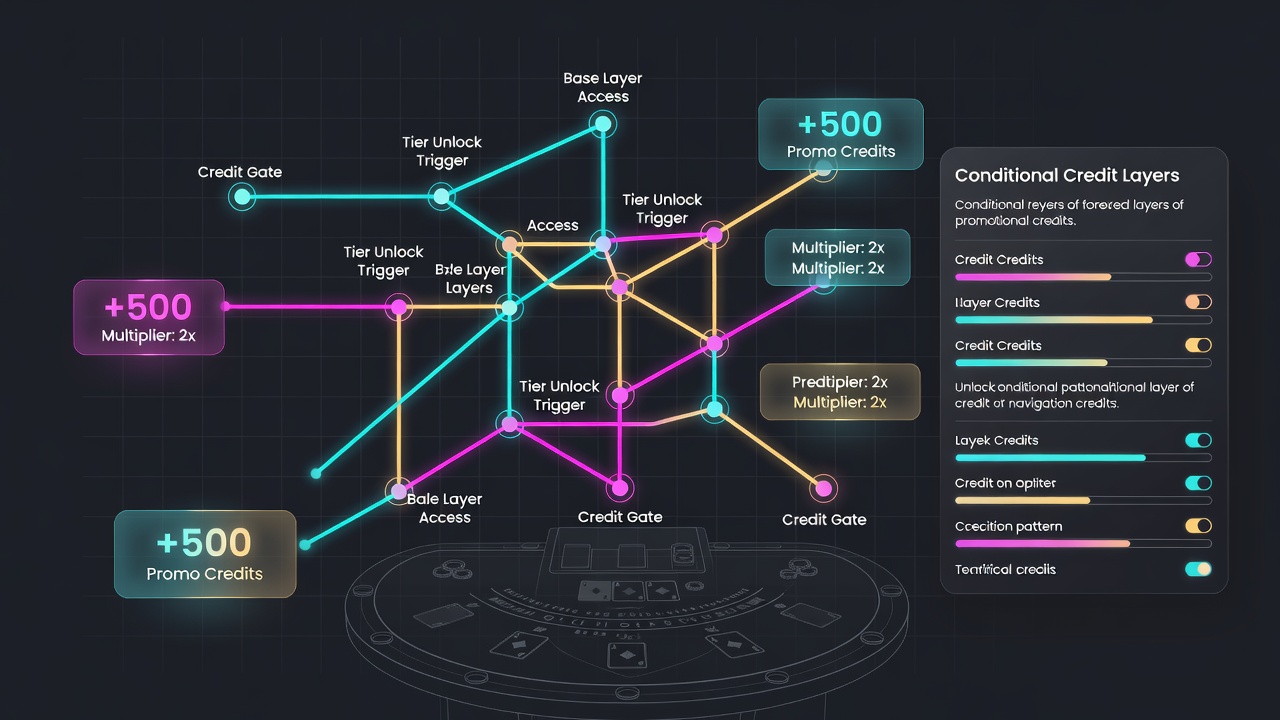 Platform operators track user movement through table game interfaces because specific sequences open successive tiers of promotional credits. These tiers activate only after users complete defined actions such as entering certain sub-menus, selecting particular game variants, and maintaining session duration thresholds. Data from multiple jurisdictions show that platforms log these paths to adjust credit distribution automatically. Observers note that the first layer often requires navigation from the main lobby into a table game lobby followed by selection of a low-stakes variant. Completion of this path registers eligibility for an initial credit allocation. Subsequent layers depend on further movement into settings panels or loyalty dashboards where users adjust preferences or review play history. Each additional step adds conditions that must align before the next credit layer releases.
Common Navigation Sequences in Table Game Platforms
Studies of user behavior across digital environments indicate three primary sequences that consistently unlock layered credits. The first sequence begins at the home dashboard, moves through a filter menu that sorts games by volatility, and ends at a blackjack or roulette table with a minimum bet requirement. Platforms record this path because it correlates with higher retention metrics according to reports from the American Gaming Association.
A second sequence directs users from the main menu into a live dealer section, then into a rules overlay, and finally back to the betting interface. Completion of this loop satisfies time-based conditions that unlock mid-tier credits. Research from iGaming Ontario shows that users who follow this route complete an average of 18 percent more hands per session than those who skip the rules step.
Device Handoff Patterns and Credit Eligibility
Platforms also monitor transitions between desktop and mobile interfaces because handoffs reset or advance credit layers depending on the timing. When a user starts a session on desktop, moves to mobile without closing the table, and returns within a set window, the system registers continuity and advances the credit tier. In June 2026 several major operators updated their synchronization protocols to shorten the allowable gap between devices while preserving the layered structure.
Conditional Triggers Within Layered Systems
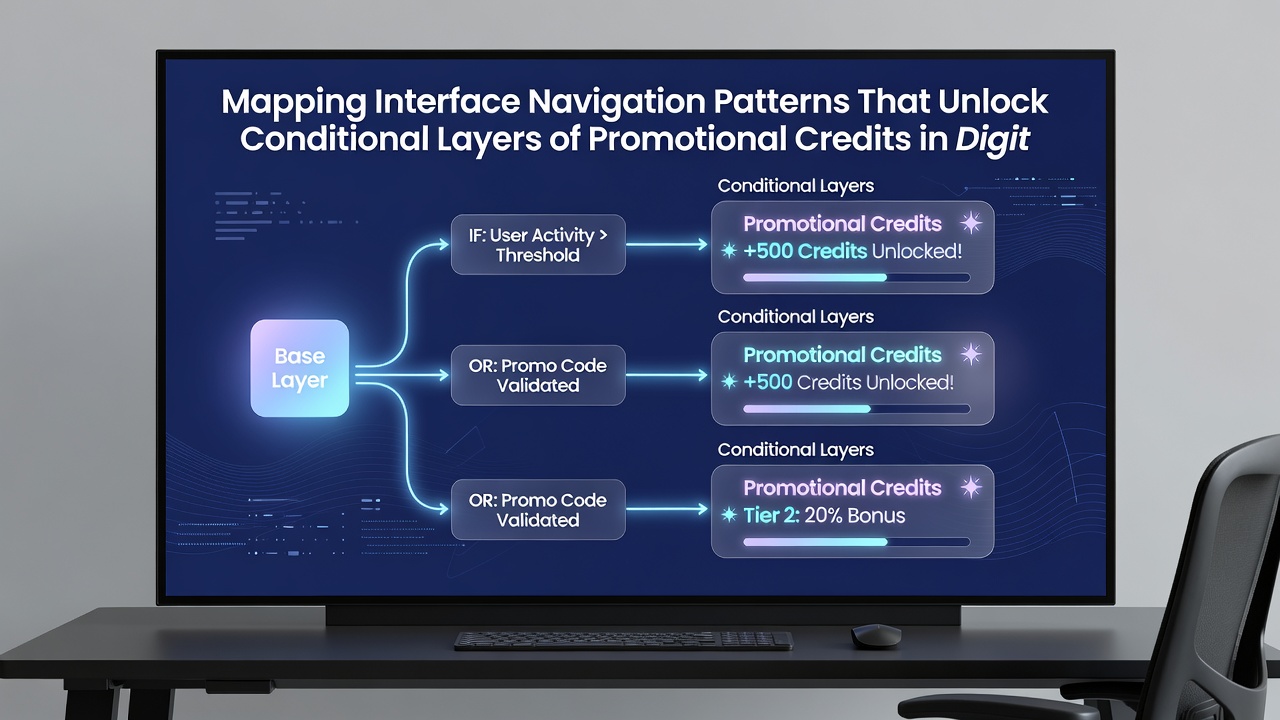
Conditional layers rely on both navigation order and measurable actions. One common trigger requires users to open the statistics panel after selecting a game but before placing the first bet. This step confirms engagement with game data and satisfies a transparency condition attached to the second credit layer. Another trigger activates when users switch between two different table types within the same session, a pattern that platforms associate with diversified play.
Analysts at research institutions have mapped these triggers across hundreds of sessions and found that order matters more than total time spent. Changing the sequence even slightly often blocks progression to the next layer even when all other metrics remain identical.
Regional Variations in Interface Mapping
Operators in different regions apply distinct mapping approaches. Platforms licensed in North American markets tend to embed credit layers behind navigation paths that include account verification steps. European operators more frequently place layers behind paths that involve responsible gaming tools such as session limit settings. These differences reflect regulatory emphasis on player protection alongside promotional mechanics.
Conclusion
Mapping navigation patterns provides operators with precise control over when and how promotional credit layers become available in digital table game environments. The sequences, device transitions, and conditional triggers described above represent documented structures observed across multiple platforms. Continued analysis of these paths supports accurate delivery of layered credits while maintaining compliance with regional requirements.