28 May 2026
Investigating Correlations Between Transaction Speeds and Bonus Eligibility Windows in Portable Crypto Gaming Setups
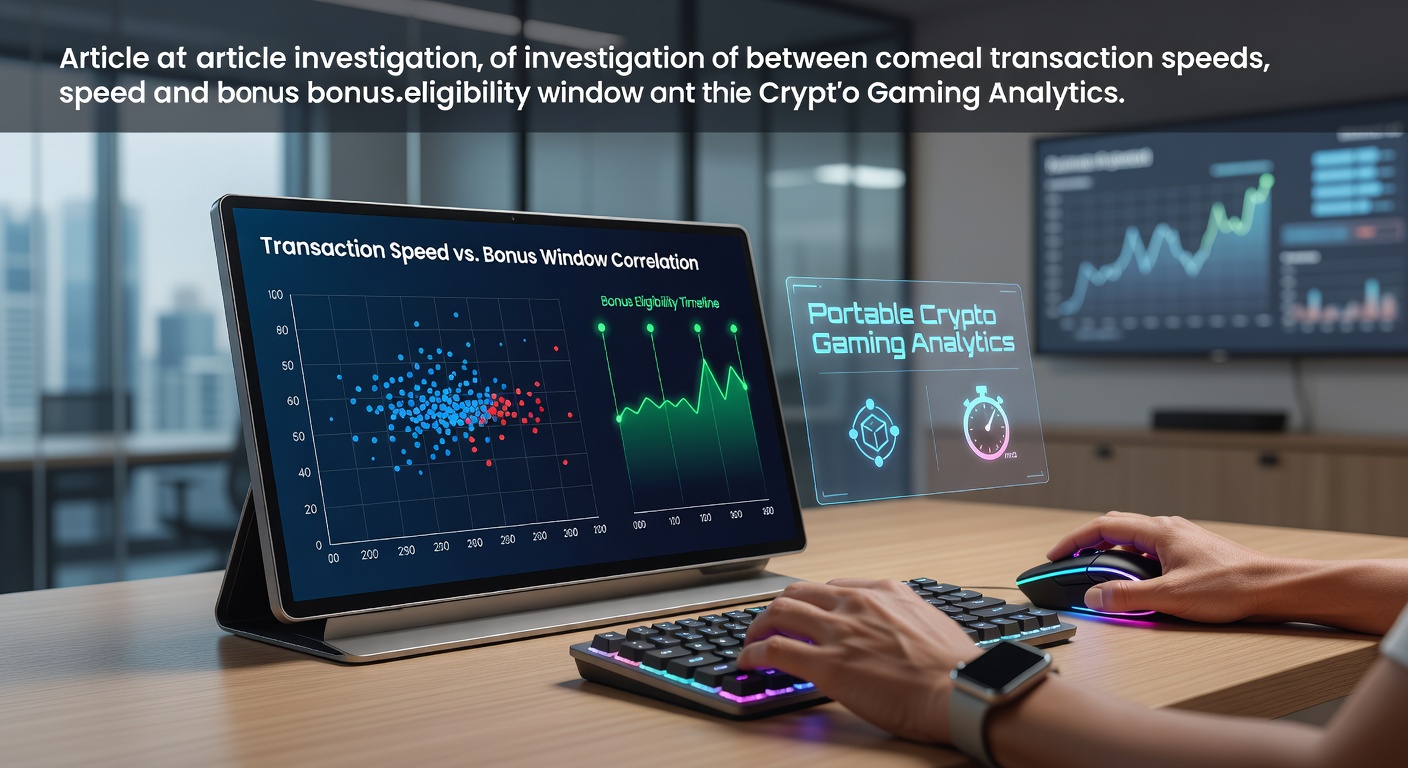
Portable crypto gaming setups operate through blockchain networks that process transactions at varying velocities, and these speeds intersect directly with time-bound bonus eligibility windows offered by mobile platforms. Researchers track how delays in confirmation affect whether players meet the activation criteria for rewards during short availability periods. Data from multiple networks shows that faster chains reduce the gap between initiation and eligibility confirmation, while slower ones extend exposure to missed windows.
Transaction Processing Dynamics in Mobile Environments
Blockchain protocols handle transfers through consensus mechanisms that determine confirmation times, and portable devices rely on these processes for in-game actions such as deposits that unlock bonuses. Ethereum-based systems averaged 12 to 15 seconds per block in early 2026, whereas certain layer-two solutions achieved sub-five-second finality. Observers note that eligibility windows for mobile bonuses often span 30 to 120 seconds after a qualifying action, which creates measurable overlap with network latency patterns. Studies released in May 2026 from the Singapore Infocomm Media Development Authority examined these overlaps across handheld setups and found direct statistical relationships between average confirmation intervals and successful claim rates.
Users initiate transactions via wallet integrations in gaming apps, and the interval until network acceptance determines whether the bonus timer still registers the action as valid. Shorter windows on high-traffic periods amplify the effect, since congestion increases variance in processing durations. Those who monitor mempool activity report that pending transaction queues during peak mobile usage hours extend average waits by 40 percent on select chains.
Data Collection Methods Across Regions
Analysts aggregate logs from operator APIs and on-chain explorers to correlate timestamps of transaction broadcasts with bonus activation records. One dataset compiled by a Canadian research consortium covered over 250,000 mobile sessions between January and April 2026, isolating variables such as network type, device connection stability, and window duration. The methodology accounted for geographic differences in latency, including trans-Pacific routing delays that affect players connecting through Asian exchanges.
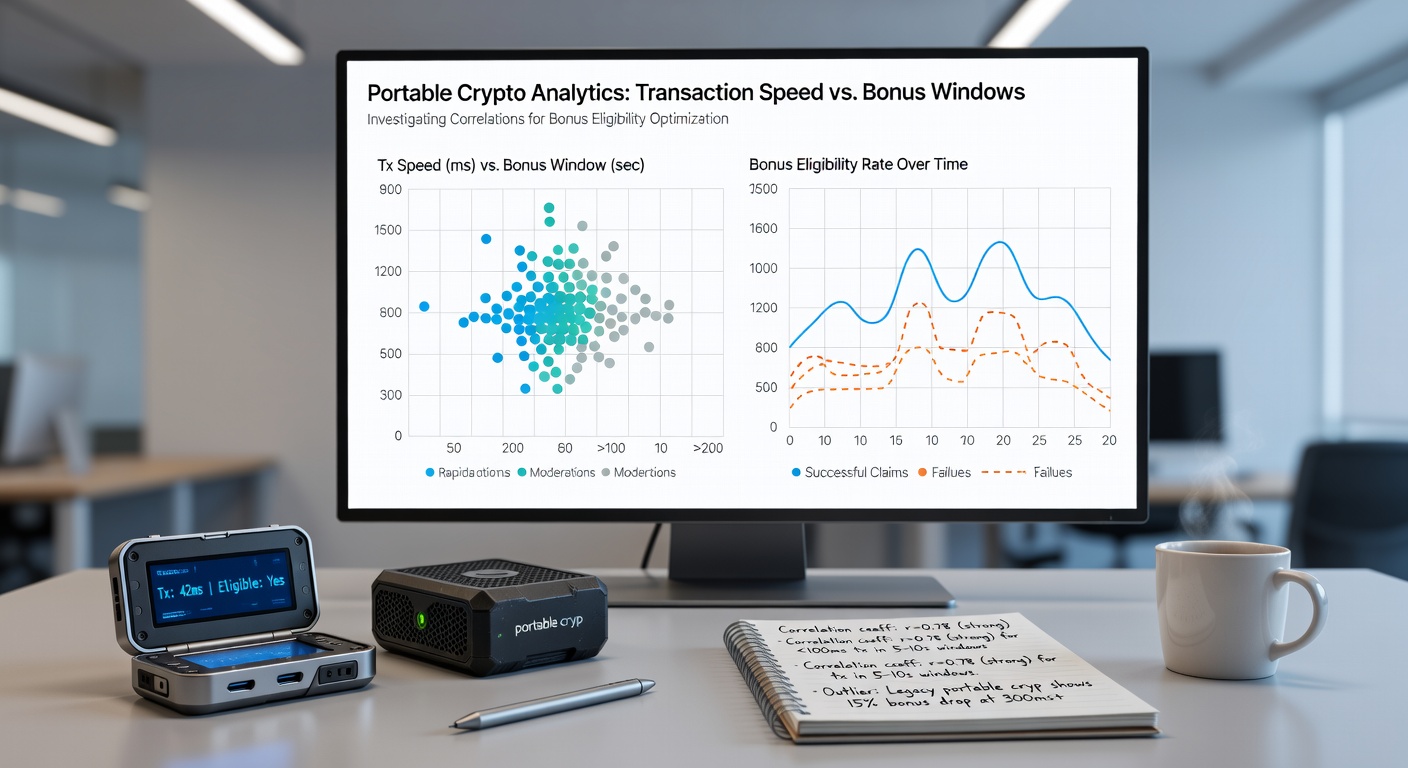
Figures reveal that sessions completed on networks with median confirmation under eight seconds maintained eligibility compliance rates above 92 percent, while those exceeding 25 seconds dropped below 67 percent. Researchers applied regression models to isolate transaction speed as the primary predictor, controlling for factors like account verification status and regional regulatory constraints. Additional cross-checks with European trade association reports confirmed similar patterns in handheld blockchain gaming traffic during comparable periods.
Observed Patterns in Eligibility Outcomes
Portable setups introduce additional variables through intermittent connectivity and variable signal strength, which compound network-level delays. When a transaction broadcast occurs near the edge of a bonus window, even minor packet loss can push confirmation outside the allowable period. Data indicates that operators using multi-chain routing options mitigate some of these risks by directing traffic toward faster pathways when primary networks show elevated gas prices or congestion signals.
One documented pattern involves progressive bonuses that require sequential deposits within tightening windows; here the cumulative effect of repeated transaction waits becomes statistically significant. Platforms that publish network performance dashboards allow users to anticipate suitability, and adoption of such tools correlates with higher completion percentages in tracked cohorts. Regulatory filings from Australian authorities in the first half of 2026 highlighted these operational adjustments as part of broader compliance reviews for digital gaming products.
Technical Factors Influencing Correlation Strength
Wallet software versions and node synchronization status affect how quickly devices register confirmations, independent of raw network speed. Updated clients often poll for receipts at shorter intervals, narrowing the effective window between broadcast and system recognition. Hardware differences among portable devices also play roles, since older chipsets process cryptographic verifications more slowly and add milliseconds that accumulate across multiple steps.
Network upgrades deployed in May 2026 on several proof-of-stake chains reduced base confirmation variability, and early telemetry suggests corresponding lifts in bonus claim success for mobile cohorts. Observers continue to monitor whether these infrastructure changes produce sustained shifts or merely temporary adjustments during low-congestion intervals.
Conclusion
Evidence assembled from on-chain records and operator metrics demonstrates measurable correlations between transaction confirmation intervals and the proportion of successful bonus activations within defined eligibility periods on portable crypto gaming platforms. Continued monitoring through 2026 will clarify how ongoing network optimizations and device-level improvements alter these relationships across different regulatory jurisdictions.