7 Jul 2026
How Network Latency Shapes Claim Windows in Cross-Device Crypto Wagering Ecosystems
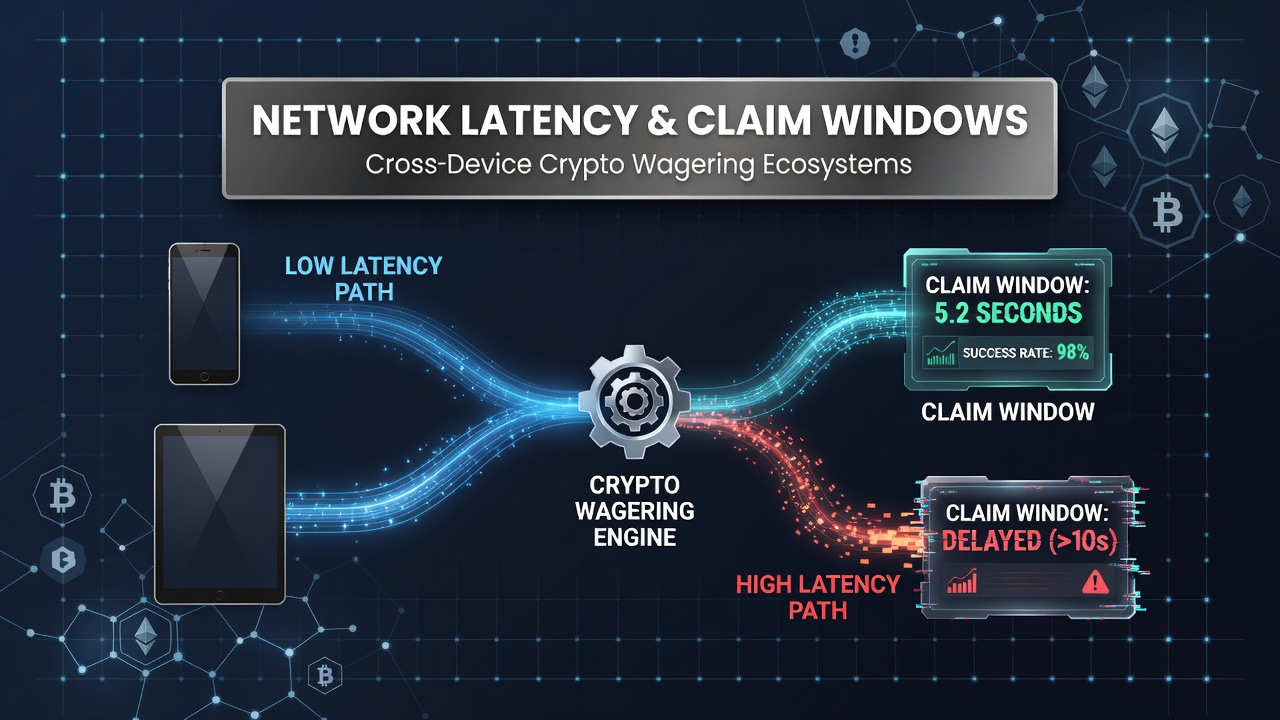 Network latency introduces measurable delays that directly affect the duration and accessibility of claim windows in crypto wagering applications operating across smartphones, tablets, and desktop interfaces. These windows represent defined time intervals during which users must complete promotional redemptions or reward activations before they expire, and transmission lags between devices and blockchain nodes can compress or extend those periods in unexpected ways. Data from mobile network performance trackers shows average round-trip times ranging from 20 to 150 milliseconds on 5G connections, while older 4G networks often exceed 300 milliseconds during peak hours, creating inconsistent eligibility outcomes for the same user account. Claim windows in these ecosystems typically rely on synchronized timestamps between the wagering platform's server and the user's device, yet blockchain transaction confirmations add another layer of variable delay. When a user initiates a claim on one device and switches to another mid-process, the accumulated latency from handoff protocols can push the action outside the allowed period. Studies conducted by research teams at technical universities have quantified how even modest packet loss rates of 1 to 2 percent compound these timing discrepancies, particularly in environments where multiple devices share the same wallet address.
Device Handoff Mechanics and Timing Sensitivity
Cross-device functionality requires continuous session state synchronization, which becomes vulnerable when network conditions fluctuate between locations or connection types. Observers note that a claim initiated on a mobile connection with higher latency may register several seconds later on the central server than an equivalent action performed on a stable wired desktop link. This discrepancy matters because many platforms enforce claim windows measured in minutes rather than hours, leaving little margin for transmission variance.
July 2026 brought updated reporting from the International Telecommunication Union on global mobile latency trends, highlighting that average 5G performance improved in urban zones but rural handoff scenarios still exhibited spikes above 200 milliseconds. Such variations directly influence whether stacked promotional layers remain claimable when users move between devices without restarting the session.
Blockchain Confirmation Layers Add Complexity
Crypto wagering platforms integrate wallet interactions that depend on distributed ledger validations, introducing additional wait times beyond standard internet routing delays. Each confirmation cycle can range from 15 seconds on faster chains to several minutes on others, and latency during these steps can cause the platform's claim window to close before the transaction settles. Researchers examining transaction logs have documented cases where network congestion on public blockchains extended effective claim periods by up to 40 percent compared to internal platform timers.
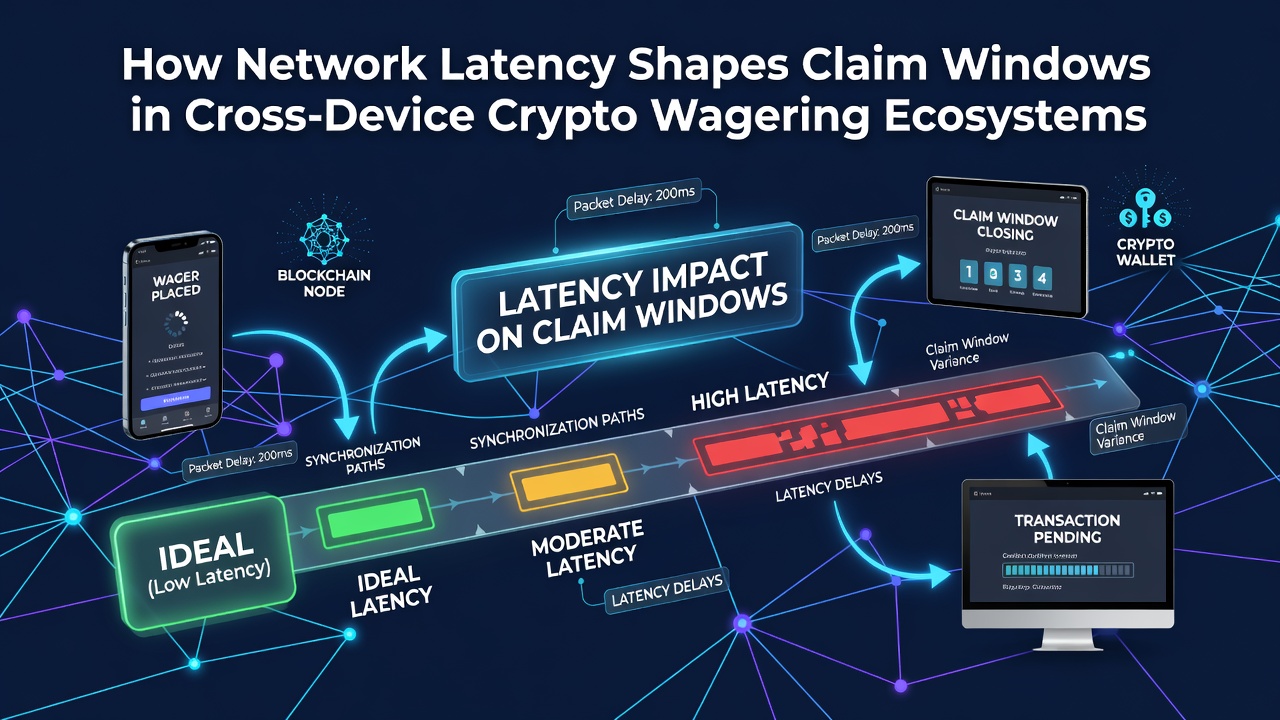
Platforms attempt to mitigate these effects through client-side buffering and predictive timing adjustments, yet the approach varies widely across operators. Some systems allow a grace buffer calibrated to average regional latency figures, while others enforce strict server-side cutoffs that disregard user-side delays. Data collected by analytics firms tracking wagering applications reveals that users on mixed network environments experience claim failure rates approximately 12 percent higher than those on consistent high-speed connections.
Regional Infrastructure Influences Outcomes
Infrastructure differences across geographic areas further shape these dynamics. Reports from the Australian Communications and Media Authority detail how latency patterns in metropolitan versus regional areas create uneven access to time-sensitive features in digital wagering services. Similar patterns appear in North American datasets released by the Federal Communications Commission, where rural broadband variability affects cross-device synchronization more than urban fiber connections.
Those who have analyzed user session data across multiple operators find that claim windows tied to promotional events often close prematurely for accounts experiencing repeated device switches during high-traffic periods. The interaction between mobile carrier handoffs and blockchain node response times produces cumulative delays that platforms must account for when setting eligibility parameters.
Technical Adjustments Under Consideration
Industry working groups have begun examining standardized methods for latency-aware claim window calibration. Proposed approaches include dynamic window extension based on real-time network telemetry collected from the user's active devices, alongside server-side reconciliation that factors in blockchain propagation times. Implementation remains inconsistent because each platform maintains separate backend architectures and risk management protocols.
Evidence gathered from transaction monitoring tools indicates that platforms incorporating latency buffers report fewer disputes related to expired claims, although adoption of these techniques requires ongoing measurement of regional network performance. Continued refinement of these systems depends on accurate data regarding both average and peak latency conditions across the diverse device ecosystems used by participants.
Conclusion
Network latency remains an inherent variable that platforms must address when designing claim windows for cross-device crypto wagering. The combination of mobile network fluctuations, device handoff protocols, and blockchain confirmation requirements creates timing challenges that influence user eligibility across different connection environments. Ongoing data collection from regulatory and research sources continues to inform adjustments, while operators refine synchronization methods to maintain consistent access regardless of the devices or networks involved.