9 Jun 2026
Examining Demographic Influences on Customized Incentive Designs within Interactive Digital Entertainment Platforms
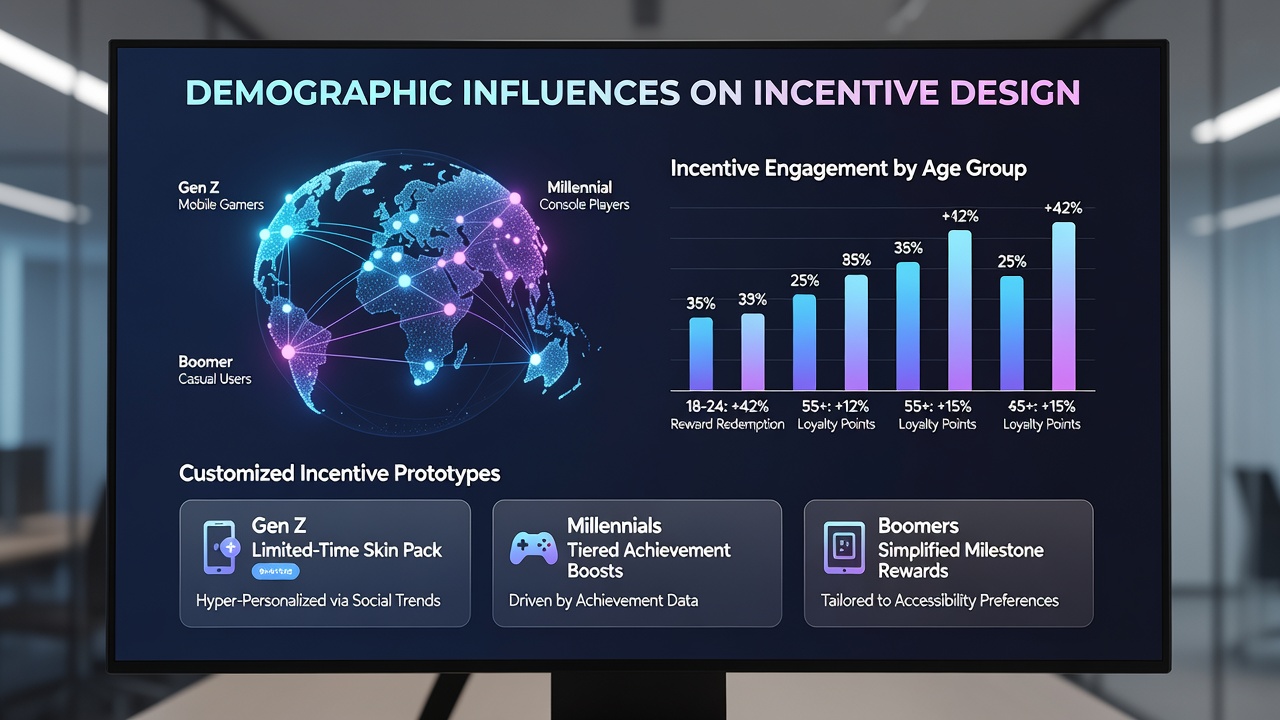
Platforms operating in interactive digital entertainment have refined their approaches to incentive structures by analyzing user demographics in detail, and data collected across multiple regions shows clear correlations between user profiles and the types of rewards offered. Age groups respond differently to time-limited challenges versus ongoing loyalty programs, while geographic location often determines whether platforms emphasize currency-based rewards or in-game item exchanges. Researchers tracking these patterns note that customization emerges directly from aggregated user data rather than broad assumptions, and this process has accelerated as platforms integrate more sophisticated analytics tools.
Age-Based Variations in Reward Structures
Younger users, particularly those aged 18 to 34, encounter incentives built around rapid progression and social sharing features, whereas older demographics receive offers centered on sustained engagement and milestone achievements. Studies conducted by academic institutions reveal that platforms adjust free spin equivalents or bonus credit allocations based on these age brackets, creating distinct pathways that align with observed playing habits. In June 2026, several major platforms updated their backend systems to incorporate real-time age verification data, allowing finer adjustments to incentive timing and value without disrupting user experience.
Those who have examined platform logs across different entertainment genres find that users over 45 often engage longer with narrative-driven rewards, prompting developers to layer additional story elements into incentive designs. This adjustment occurs alongside technical changes that track session length and completion rates, producing measurable shifts in retention metrics.
Gender and Preference Patterns
Gender data collected through voluntary profiles and behavioral tracking influences whether platforms prioritize competitive leaderboards or collaborative reward systems. Evidence from industry reports indicates that female users in certain regions show higher interaction rates with community-oriented incentives, leading to customized bundles that include shared achievements or group bonuses. Male users in parallel datasets frequently receive structures emphasizing individual rankings and tiered challenges, though these patterns vary significantly by platform type and content focus.
Observers tracking these developments point to internal A/B testing protocols that refine incentive delivery based on self-reported gender alongside inferred preferences from gameplay data. The result appears in segmented marketing campaigns and personalized dashboards that surface relevant offers without requiring explicit user input.

Geographic and Income Influences
Location-based factors shape incentive availability through regulatory requirements and local currency preferences, with platforms serving European markets often incorporating VAT-aware reward calculations while those in North American regions adjust for different tax frameworks. Research from the Australian Communications and Media Authority documents how regional access patterns drive the selection of incentive types, particularly when cross-border users participate in shared digital environments. Platforms respond by creating location-specific reward pools that maintain compliance while maximizing engagement.
Income demographics further refine these designs, as platforms segment users into tiers that determine the scale of entry-level versus premium incentives. Data from Canadian regulatory filings shows higher-income brackets receiving offers with larger absolute values but stricter eligibility windows, whereas lower-income segments encounter more frequent smaller rewards designed to sustain daily participation. These distinctions emerge from transaction history analysis rather than direct income reporting, allowing systems to adapt dynamically as user spending patterns evolve.
Integration of Multiple Demographic Factors
Modern platforms combine several demographic signals simultaneously when generating customized incentives, creating layered offers that account for age alongside geographic and behavioral indicators. This multi-factor approach produces outcomes where a user in one region might receive time-sensitive challenges while a demographically similar user elsewhere sees extended collection periods for the same reward category. Technical documentation from platform providers highlights the role of machine learning models trained on historical data sets that predict response rates across intersecting demographic groups.
Those who have reviewed anonymized industry datasets note that cross-demographic overlaps often produce the most distinctive incentive variations, particularly when location intersects with age to influence preferred reward formats. Updates rolled out in mid-2026 refined these models further by incorporating additional variables such as device type and session frequency.
Conclusion
Demographic analysis continues to drive the evolution of incentive design across interactive digital entertainment platforms, with measurable impacts on user retention and participation metrics. Platforms maintain these systems through ongoing data collection and refinement processes that respond to shifts in user populations and regulatory environments. The patterns observed across age, gender, geography, and income categories demonstrate how targeted customization operates within the constraints of available information and technical capabilities.