12 Jul 2026
Decoding User Cohort Responses to Time-Sensitive Credit Offerings Across Evolving Digital Entertainment Networks
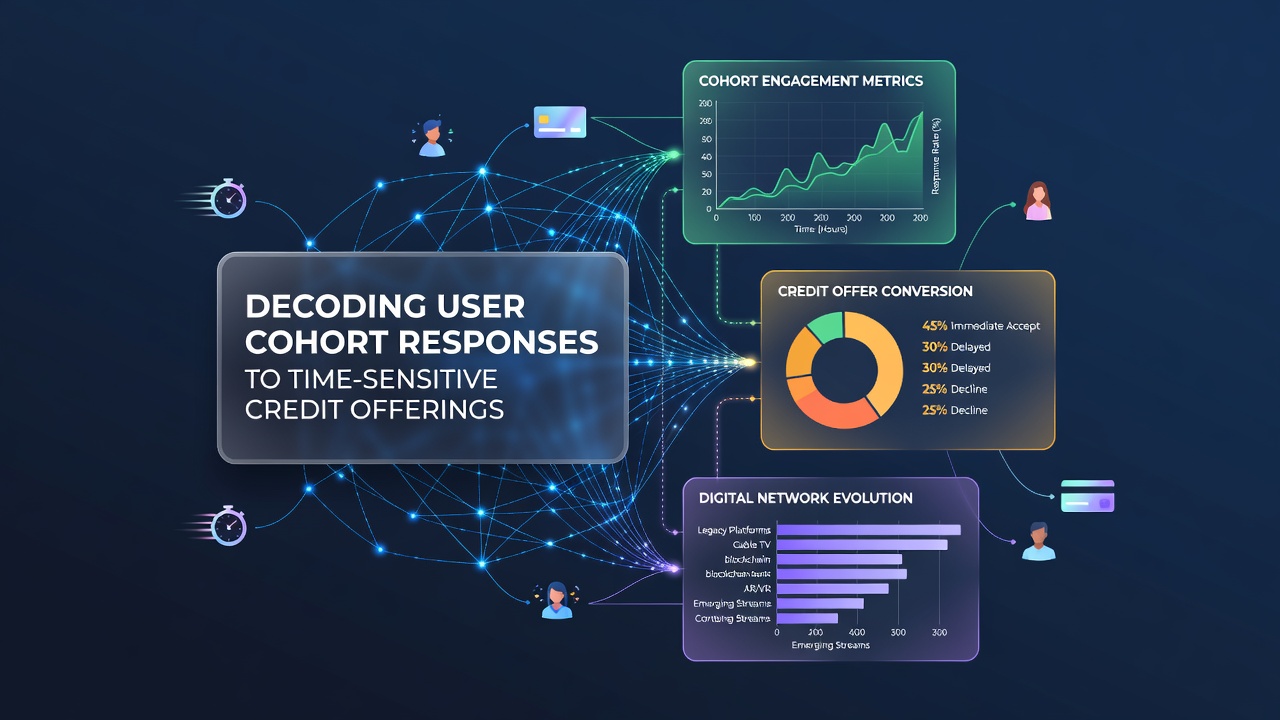
Digital entertainment networks rely on layered data systems that segment audiences into distinct cohorts while deploying time-limited credit mechanisms designed to influence engagement metrics across platforms. These offerings appear in subscription models, in-app economies, and streaming services where credits expire within defined windows. Researchers track how different groups react through redemption rates, session durations, and repeat interaction logs that accumulate across mobile, console, and browser environments.
Defining Cohort Structures Within Digital Entertainment Ecosystems
Platforms organize users according to variables such as age brackets, geographic location, device type, and historical spending patterns. Younger cohorts often show quicker initial uptake of expiring credits yet display shorter retention windows after the promotion ends, whereas older segments demonstrate steadier but lower-volume responses when the same credits carry extended validity periods. Data compiled by industry analysts reveal that behavioral clusters based on login frequency and content consumption depth produce more predictive outcomes than purely demographic divisions alone.
Mechanics of Time-Sensitive Credit Deployment
Time-sensitive credits function through automated triggers that activate upon specific user actions or calendar milestones. These mechanisms adjust value amounts and expiration intervals according to real-time platform traffic and cohort activity forecasts. Observers note that networks integrate machine learning models to forecast optimal distribution windows, which results in credits appearing during peak usage hours for one cohort while remaining dormant for another until behavioral signals shift. Transaction logs from multiple regions indicate that shorter expiration frames correlate with elevated immediate engagement yet produce variable long-term conversion across different user segments.
Platform Evolution and Its Impact on Credit Visibility
Shifts in network architecture, including 5G rollout completion and cross-device synchronization protocols, alter how users encounter and interact with promotional credits. Handheld devices now maintain persistent session states that carry eligibility data between applications, which changes the timing and context in which credits become visible. Studies conducted through academic partnerships show that seamless device handoffs reduce friction for some cohorts while introducing eligibility conflicts for others when promotional layers fail to sync within required windows.
Response Patterns Across Demographic and Behavioral Groups
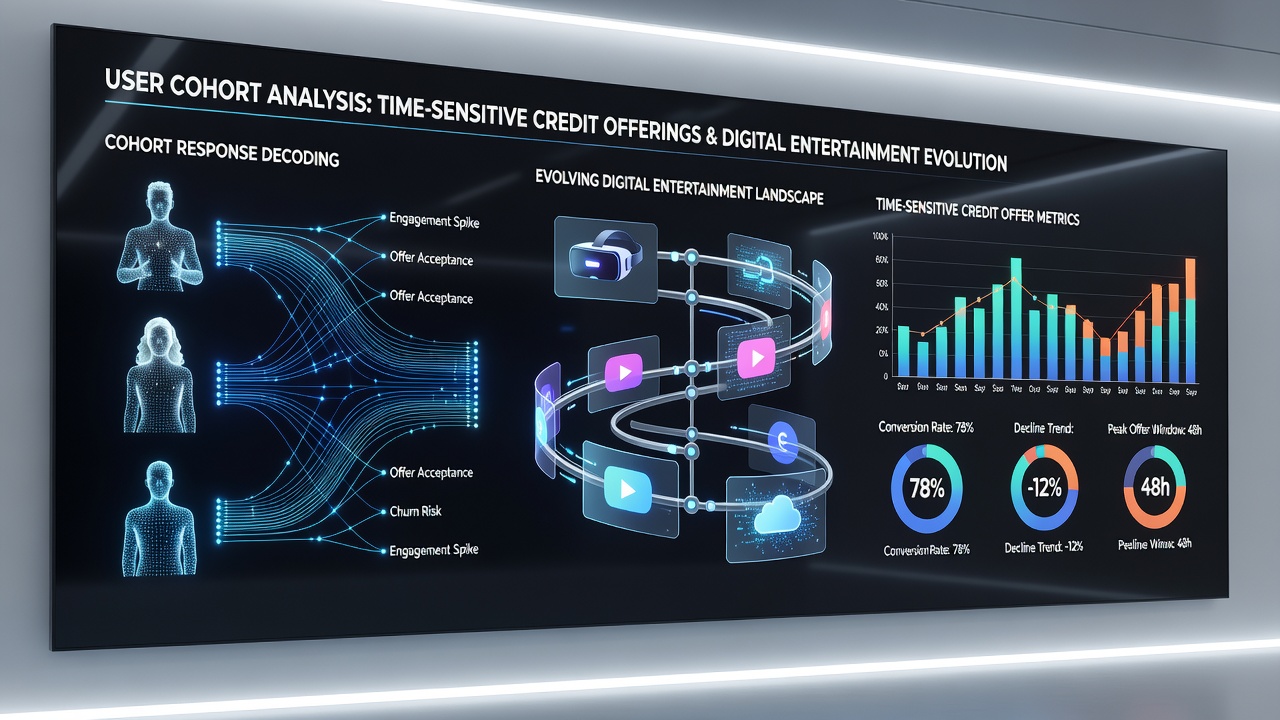
Analysis of aggregated platform data reveals distinct response curves. High-frequency users within entertainment networks tend to treat time-sensitive credits as extensions of regular activity rather than novel incentives, which produces moderate lifts in session length. Lower-frequency cohorts, by contrast, register sharper spikes in activity when credits align with external events such as content releases or seasonal updates. Figures from the OECD Digital Economy Outlook illustrate how regional infrastructure differences influence these patterns, with faster network speeds in certain markets amplifying the effect of short validity periods on immediate redemption behavior.
Influencing Variables and Measurement Approaches
Multiple factors shape cohort responses, including notification timing, credit denomination relative to average spend, and integration depth with core platform features. Measurement frameworks combine clickstream analysis with survey responses collected at redemption points. Research teams at institutions such as the University of Melbourne have examined how notification fatigue emerges differently across cohorts when credits arrive through push channels versus in-app banners. These studies document that personalization based on prior interaction history increases response consistency while generic distribution methods yield higher variance in uptake rates.
Developments Observed Through Mid-2026
By July 2026 platform operators had begun testing adaptive expiration models that recalibrate based on cohort-specific velocity metrics collected over preceding quarters. Regulatory discussions in multiple jurisdictions focused on transparency requirements for these dynamic systems, prompting several networks to publish cohort-level summary statistics. Data released during that period indicated measurable differences in credit utilization between cohorts defined by subscription tier versus those segmented purely by engagement frequency.
Conclusion
Comprehensive examination of user cohort responses demonstrates that time-sensitive credit offerings operate within complex feedback loops shaped by platform architecture, notification strategies, and behavioral segmentation methods. Continued refinement of these systems depends on sustained collection and analysis of cross-regional data that captures both immediate reactions and longer-term engagement trajectories. Networks that align credit parameters with observed cohort patterns continue to record differentiated outcomes across evolving digital entertainment environments.