30 Jun 2026
Decoding the Influence of Artificial Intelligence on Personalized Incentive Delivery Systems Within Interactive Wagering Applications
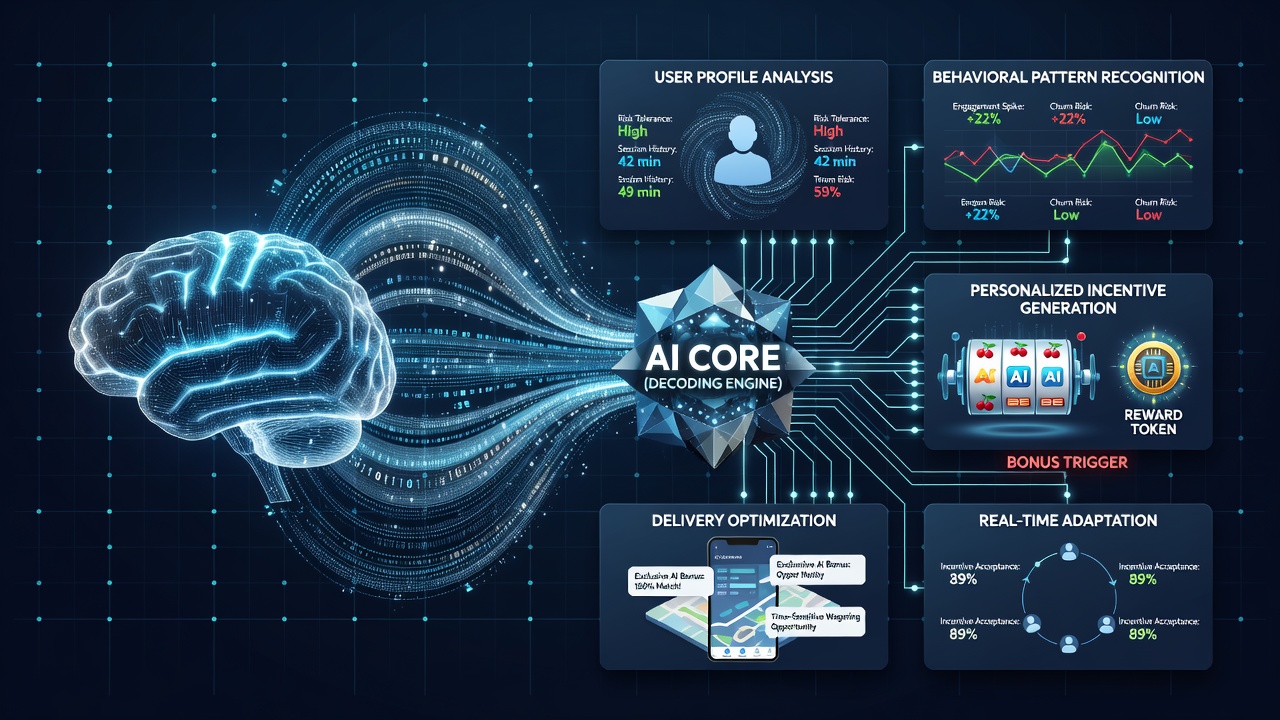
Artificial intelligence has reshaped how interactive wagering applications handle personalized incentive delivery, and systems now rely on machine learning models that process real-time user data to adjust reward structures dynamically. These platforms collect behavioral signals such as session duration, bet frequency, and game preferences, then feed that information into algorithms designed to predict which incentives will maintain engagement without exceeding responsible gaming thresholds. Research indicates that by June 2026 many operators had integrated reinforcement learning techniques that refine incentive timing based on historical response rates across millions of user profiles.
Core Mechanisms Driving Personalization
Algorithms examine clusters of player activity and generate incentive offers that align with individual risk tolerance and spending patterns. A neural network might detect when a user tends to increase wager sizes after receiving a matched deposit reward, then modify future offers accordingly while complying with jurisdictional limits. Data from regulatory filings shows that European operators began testing these adaptive models more widely after 2024 updates to digital services rules, and similar patterns emerged in Australian and Canadian markets where gaming commissions required transparency reports on algorithmic decision-making.
Clustering techniques group users by demographic and behavioral traits, allowing applications to deliver time-sensitive bonuses or loyalty multipliers only to segments most likely to respond. Predictive analytics further narrow eligibility windows by forecasting churn risk, so incentives arrive before users disengage. Observers note that this approach replaced static bonus calendars with fluid systems that recalibrate hourly based on live telemetry streams.
Integration With Regulatory Frameworks in 2026
By June 2026 several gaming authorities had introduced guidelines requiring operators to document how AI systems determine incentive eligibility. The Malta Gaming Authority, for instance, mandated audit trails for personalization engines, while the New Jersey Division of Gaming Enforcement required periodic reviews of bias in reward distribution models. These measures aimed to ensure algorithms did not inadvertently favor certain demographic groups over others when allocating free bets or cashback percentages.
Operators responded by embedding explainability layers into their platforms so that both regulators and users could understand why specific incentives appeared. Natural language summaries generated by large language models now accompany reward notifications, outlining the data points that triggered each offer. This development followed earlier concerns raised in academic papers about opaque decision systems in digital gambling environments.
Technical Components and Data Flows
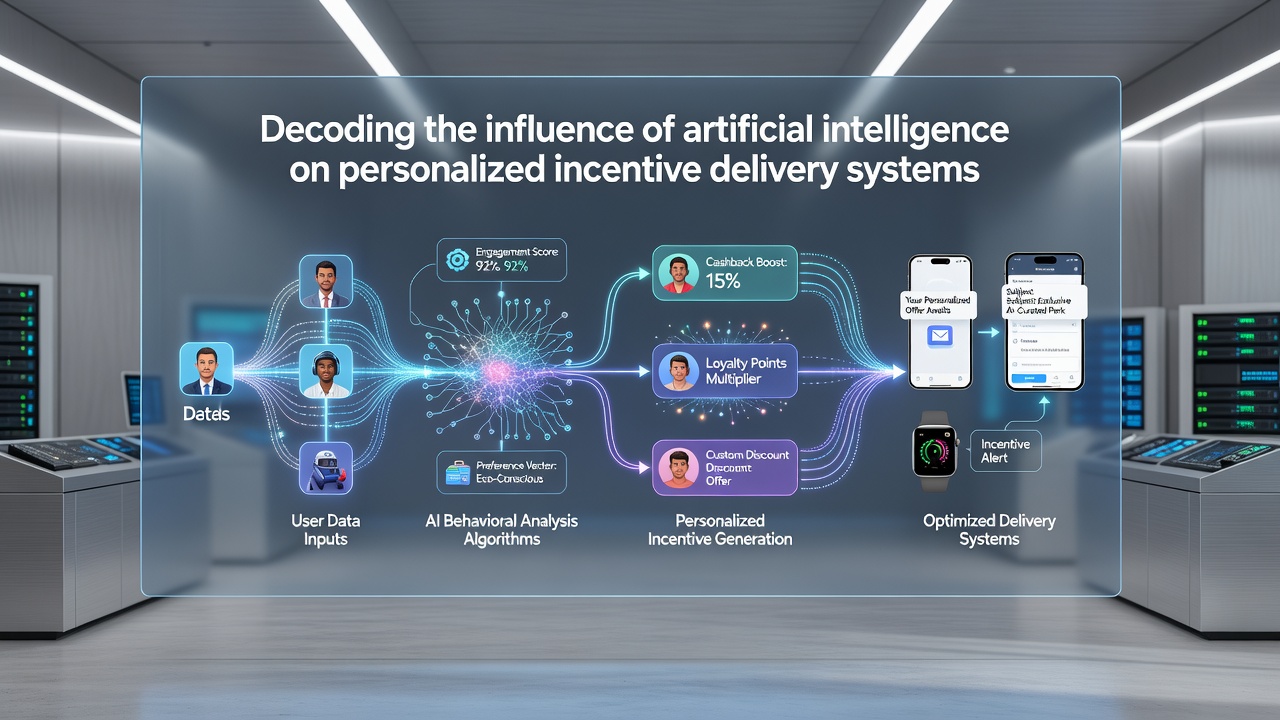
Real-time feature engineering pipelines extract variables such as average bet size relative to account balance, time between deposits, and preferred game volatility levels. These features feed gradient boosting models or transformer-based architectures that output probability scores for incentive acceptance. When scores exceed preset thresholds the system triggers delivery through in-app notifications or push messages timed to coincide with peak activity periods.
Edge computing nodes located near regional data centers reduce latency during high-traffic events such as major sporting matches, ensuring personalized offers reach users within seconds of behavioral triggers. Secure multi-party computation techniques allow operators to incorporate third-party data sources without exposing raw player information, a practice documented in technical reports from the American Gaming Association.
Observed Patterns Across Markets
Markets with higher smartphone penetration show faster adoption of AI-driven incentive layers because mobile telemetry provides richer contextual signals including location, device type, and session interruptions. One study published by researchers at the University of Sydney examined wagering apps in the Asia-Pacific region and found that reinforcement learning implementations increased repeat engagement metrics by measurable margins compared with rule-based systems, though exact figures varied by jurisdiction.
Cross-device synchronization challenges persist when users switch between mobile and desktop interfaces mid-session, yet newer orchestration frameworks mitigate these gaps by maintaining unified user state across platforms. Industry associations tracking these trends report that synchronization delays dropped significantly after widespread deployment of cloud-based session managers in early 2026.
Conclusion
Artificial intelligence continues to refine personalized incentive delivery in interactive wagering applications through iterative model updates and expanding data inputs. Regulatory bodies across multiple regions have responded with documentation and audit requirements that shape how these systems operate, while technical advances in real-time analytics and explainability support broader implementation. The interplay between algorithmic capability and compliance frameworks will determine the trajectory of incentive personalization through the remainder of the decade.